What to Expect When Working With a Web Designer (From First Call to Launch)
A lot of people come to us after a bad experience. A designer who went quiet after the deposit cleared. A site that looked nothing like the mockup they approved. A project that was supposed to take six weeks and dragged on for eight months. No communication, no accountability, no idea what was happening or when.
That’s not how it should work. A good web design process is transparent, collaborative, and built around clear milestones — so you always know where things stand, what’s coming next, and what’s expected of you. Whether you’re hiring a web designer for the first time or trying to do better than your last experience, here’s what the process should actually look like.
Before anything starts — the discovery conversation
A good designer asks questions before they ever send a quote. A lot of them.
What does your business do, and who are your customers? What do you want the site to accomplish — more calls, more online orders, more quote requests? What do you like about your current site, and what would you set on fire if you could? Who are your competitors, and do any of their sites impress you?
These questions aren’t small talk. They’re what separate a site built for your specific goals from a generic template with your logo dropped in. If a designer sends you a price without asking any of them, treat that as a yellow flag. You can’t quote a project you don’t understand yet.
At Oceans Edge Media, this conversation happens before anything else — and it’s where we figure out whether we’re the right fit for each other.
The proposal and scope of work
Once the discovery conversation is done, you should receive a proper proposal. Not a number on a napkin — a document that actually tells you what you’re getting.
A solid proposal covers the number of pages and what each one is for, exactly what’s included (design, development, copywriting if applicable, SEO setup, hosting configuration), a timeline with defined milestones, payment terms and how they’re structured, how many revision rounds are included, and what happens after launch — maintenance, support, training.
That last one matters more than people realize. A lot of designers hand over a finished site and disappear. What happens when something breaks? Who do you call when you need to add a new service page six months later?
Our proposals are specific and transparent. No vague line items, no surprise fees, no “that’ll cost extra” conversations after you’ve already said yes to something.
The design phase — what you'll see and when
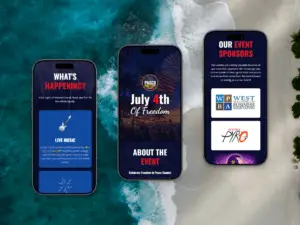
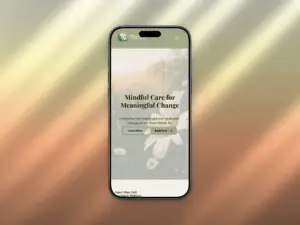
Before anyone writes a single line of code, you should see what your site is going to look like. This is the mockup or design concept phase — static visual designs that show you the layout, color palette, typography, and overall feel of the site.
This is your chance to give real feedback. Does it feel like your brand? Is the message coming through? Is anything missing or confusing? Changes at this stage are easy. Changes after development has started are not.
Once you’ve signed off on the design, development begins. This is where the mockup becomes a real, functioning website — with clickable pages, working forms, actual content loaded in, and everything optimized for mobile and desktop.
One thing that surprises first-time clients: a mockup and a live site are very different things. The mockup shows you what it’ll look like. The live site is where you test how it feels to actually use it. Both stages matter, and both need your attention.
Your responsibilities as the client
This is the section most people skim, and it’s the one that most directly determines whether your project finishes on time.
Web design is collaborative. The designer brings the expertise, the strategy, and the build. You bring the content, the decisions, and the feedback. When either side goes quiet, the project stalls.
Here’s what makes a client a great one to work with:
Have your content ready, or close to it.
Text, photos, your logo, any specific imagery you want used. Content is almost always the biggest bottleneck in a web project. If your designer is waiting three weeks for your headshot and bio, that’s three weeks the project isn’t moving.
Give clear, consolidated feedback.
Not three separate emails over five days — one round of organized notes. If multiple people need to weigh in internally, consolidate that before it comes back to the designer.
Have one decision-maker.
Design by committee is slow and tends to produce compromised results. Designate one person who has the final say.
Respond within agreed windows.
If your designer is waiting on approval and has other projects in queue, delays on your end ripple out further than you’d expect.
None of this is about being demanding, it’s about protecting your own timeline.
Development, testing, and revisions
Once the design is approved, the build begins. Behind the scenes, this means your approved design is being turned into a functional site — responsive across all screen sizes, tested in multiple browsers, and built with performance in mind.
Good developers are testing constantly during this phase. Does the contact form actually submit? Do pages load fast on mobile? Are images optimized without losing quality? Is the navigation intuitive on a small screen? Does the site connect properly to Google Analytics and Search Console?
We run every site through Lighthouse and Moz Pro before launch — checking Core Web Vitals, page speed, on-page SEO signals, and mobile usability. These aren’t afterthoughts. A site that looks great but loads slowly or isn’t crawlable by Google isn’t done yet.
After development, you’ll get a final review period — a chance to go through the live (but not yet public) site and flag anything that needs adjusting before launch.
Launch and what comes after
Launch day is exciting. It’s also when things can get briefly confusing if you don’t know what to expect.
When a new site goes live or a domain is pointed to a new host, there’s something called DNS propagation — the internet takes a little time (usually a few hours, sometimes up to 48) to recognize the change globally. During this window, some people may see the old site, some may see the new one. This is normal and temporary.
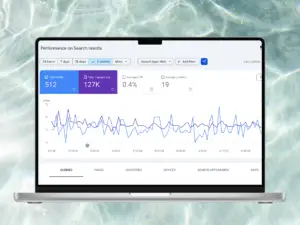
After launch, a few things should happen fairly quickly. Your site should be submitted to Google Search Console so Google starts crawling and indexing the new pages. Any redirects from old URLs to new ones should be verified. Google Analytics should be confirmed as tracking properly.
Then comes the first 30 days — the window where you watch, measure, and catch anything that needs tweaking. Are the right pages getting crawled? Are there any 404 errors from old links? Is the contact form sending submissions to the right place?
A good designer doesn’t vanish at launch. They stay involved long enough to make sure everything is actually working, and they set you up to understand what to watch for going forward.
Red flags to watch for when hiring any web designer
Not every designer operates the same way. Here are the signs that should give you pause before you sign anything.
No contract.
A handshake deal leaves you with no recourse if things go sideways. Every professional web project should have a signed agreement that defines scope, timeline, deliverables, and payment terms.
Full payment upfront.
Milestone-based payments protect you. A typical structure might be a deposit to start, a payment when design is approved, and a final payment at launch. Paying 100% before a single file is created gives you no leverage if the project goes wrong.
No portfolio of real clients.
Anyone can show you a Dribbble concept or a theme demo. Ask to see sites they built for actual businesses, preferably ones you can visit and interact with right now.
No communication during the project.
If you send an email and it takes a week to hear back, that’s not a workflow — that’s a warning sign. You should know who your point of contact is, how to reach them, and what response time to expect.
Guarantees of #1 rankings.
Nobody can promise you the top spot on Google. Anyone who does is either lying or about to do something that’ll get your site penalized. Good SEO is a long game built on solid foundations, not a magic trick.
At Oceans Edge Media, we start every project with a contract, structure it around milestone payments, and set clear communication expectations from day one. Our portfolio is real clients with real results. We don’t make ranking promises we can’t keep.
What it looks like when everything goes right
We want to tell you about Neptune Concealment—because their story goes back nearly 15 years and is still going strong today.
When we first connected with the owner, he was experienced in Kydex gun holsters and ready to take that expertise and launch his own online business. He knew his craft. He just needed someone to build the digital foundation around it. It was word of mouth that brought us together, and at the time, we were both at the start of something—him launching Neptune Concealment and us fresh out of Full Sail University and building our first custom client sites.
What started as a brand identity conversation turned into a full project. We developed the logo and brand identity from scratch, created the original design mockups, and built the whole thing out as a custom WordPress WooCommerce store. Then came the details that turn a store into a real ecommerce business — couponing, product variations, custom product configurations, Mailchimp integration for email marketing, Google Analytics, and Search Console setup.
That was the foundation. What’s happened since is the real story.
Neptune Concealment now sells nationwide. Their products have backorders—which means demand outpaces supply—which is a problem most businesses would love to have. The site has been overhauled since that original build as the business grew and needed more from its digital presence. SEO is an ongoing action plan, not a one-time setup. And the relationship that started from a word-of-mouth introduction nearly 15 years ago is still active today.
That’s what it looks like when a web design relationship is built on trust, communication, and a genuine investment in the client’s success.
Ready to talk about your project?
Whether you’ve never hired a web designer before or you’re looking for a better experience than the last one, the process should feel clear and collaborative from day one.
Take a look at how we work with clients at Oceans Edge Media to get a sense of our approach. If you’re still in the research phase, it’s worth understanding what a project like this typically costs and how long the process realistically takes before you start reaching out to anyone.
When you’re ready, we’re easy to find.
Oceans Edge Media is a web design and SEO agency based in Trinity, FL, working with small businesses across the Tampa Bay area and nationwide.